




Efficiency First: Our Blog
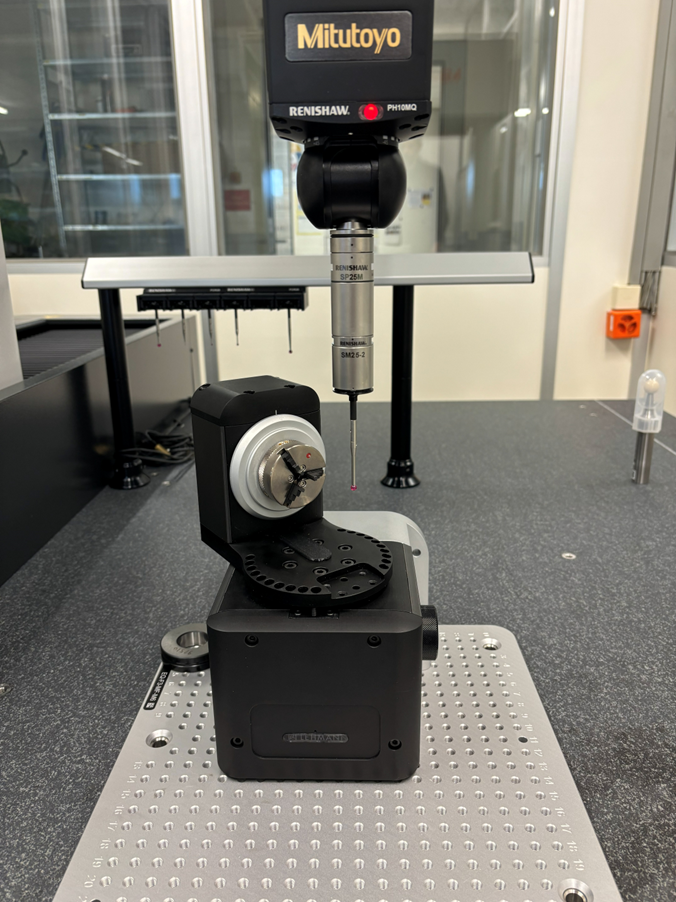
CNC rotary tables in measurement technology: accelerating quality control and upgrading measuring devices
Automation is also making its way into measurement technology. Workpieces should ideally be able to be measured all around in a single clamping. While there are integrated CNC rotary tables for this, they mostly have air bearings and are expensive. A simple solution that...
Fully automatic loading and unloading: Best practices for integrating robotics and CNC rotary tables
Automation has long been a necessity, especially in high-wage countries. A shortage of skilled workers is an added complication. Thanks to the modular construction kit system and the unique VOLEX workpiece clamping system, the increasing demands on automation can be met more cost-effectively...
Lean Production in CNC Machining: How Modular Rotary Table Systems Reduce Waste
Before investing, the exact requirements should be analysed thoroughly. Studies have shown that evaluations are often too superficial and short-sighted. For a great many workpieces and portfolios, the installed CNC rotary table is a very sleek,...
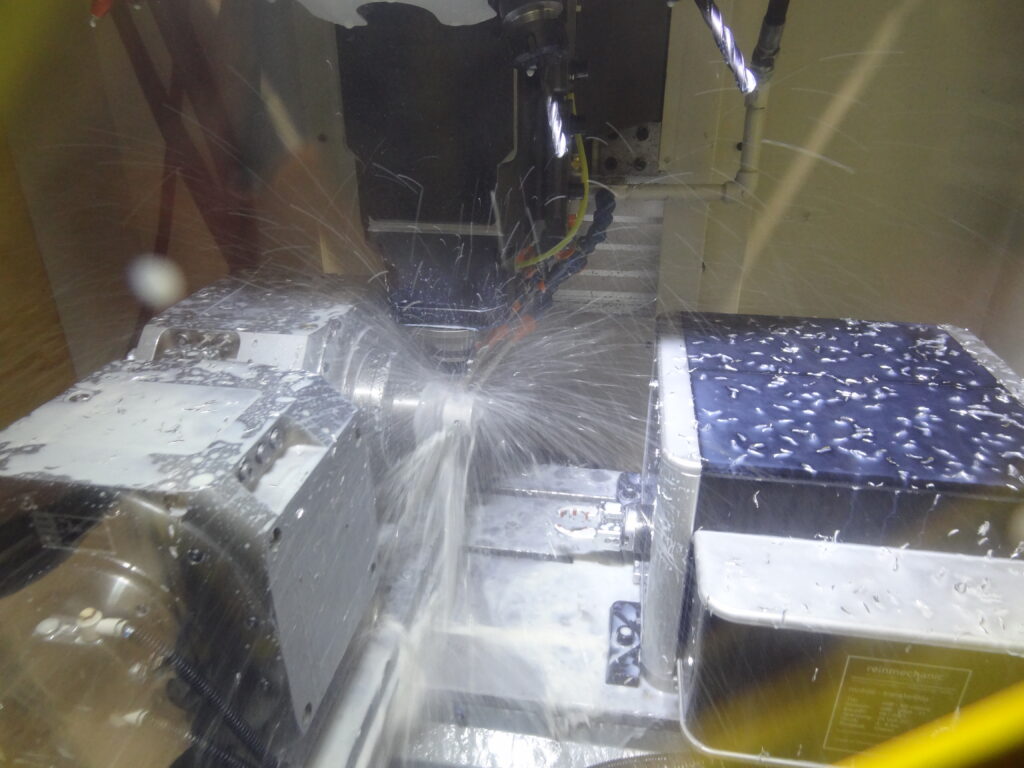
Smart Automation in the Smallest Space: Unmanned Production Without Loss of Valuable Production Area
The indoor automation system ROTOMATION offers a fully automated CNC machine without the need for space-consuming robots or handling systems, without a separate control unit, and without additional safety guards or work door automation. When combined with a suitable...
Automotive & Mobility: Automated series production of components on vertical machining centres
Small, fast and series-producible standard machines such as the Fanuc Robodrill have replaced transfer lines in many areas of the automotive industry: increasing variant diversity and decreasing series volumes have drastically increased the demands for flexibility....
Aircraft & Turbines: Efficient Machining of High-Strength Materials in the Aerospace Industry
Many workpieces are required for turbines, which are manufactured using complex grinding processes. CNC rotary tables from pL LEHMANN are often used here because they are particularly well-suited for this purpose. But also in prototype or small-batch production...
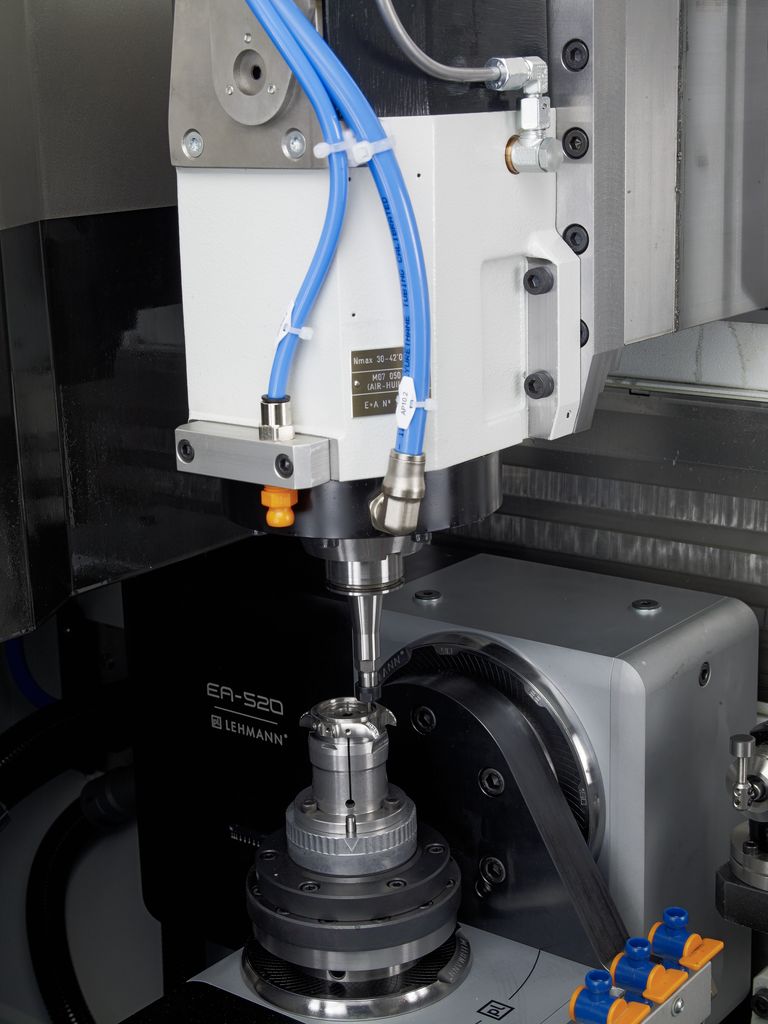
Micromechanics & Watchmaking Industry: How Swiss CNC Rotary Tables Minimise Error Rates in Micro-Machining and, Above All, Increase Economic Efficiency
A rotary table application tailored to the workpiece range, with the correct tooling on a highly productive standard CNC machine, meets the high demands of automated series production. The repeatability of recurring, often ever...
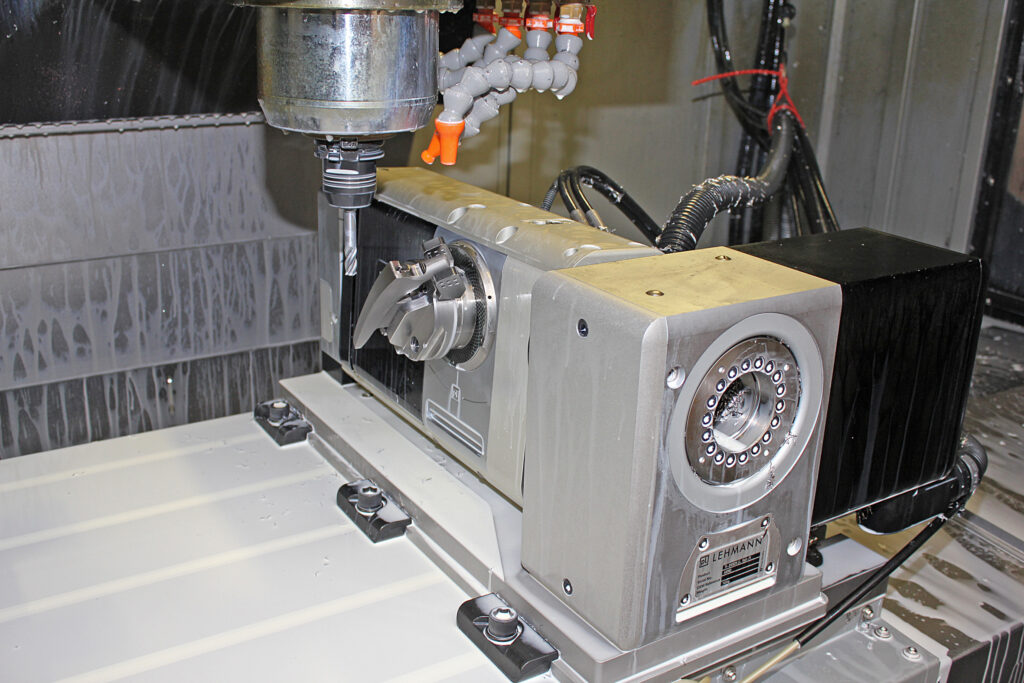
Medicine & Dental: Precision in the machining of implants and surgical instruments
The compact CNC rotary tables from pL LEHMANN are ideal for compact machining centres, such as those often used in medical technology, especially for bone implants. Advantages Particularly suitable for series production because they are – compact – fast –...
Condition monitoring in machining: the benefits of monitoring systems and remote maintenance in modern CNC rotary tables.
The modern CNC rotary table is not simply a vice with a rotational function. It is a fully-fledged, complex CNC axis that not only withstands high forces and delivers high accuracies, but also stands up to the adverse conditions in the machine room...
Minimising setup times: How intelligent zero-point clamping systems increase productivity in CNC manufacturing.
If a CNC machine and the additional rotary table, as well as a possible centre for clamping bridges or tailstocks for shaft machining, are also equipped with a zero-point clamping system, the 3-axis machine can be...
Upgrade for standard machine tools: How CNC rotary tables enhance existing 3-axis milling machines into powerful 4- or 5-axis centres.
If the CNC machines aren't too old, almost any 3-axis CNC machine can be upgraded to a full 4 or 5-axis machine. However, certain controllers restrict simultaneous operation (e.g., only 4 axes simultaneously, 5th axis only positioned). Each...
Gear-driven turntable vs. direct-drive turntable: Which drive is right for which machining task?
For CNC rotary tables, worm gears or roller gears are particularly suitable because they achieve a large transmission ratio in a small space, usually self-locking and high accuracies. However, it places high demands on bearing and...
Summary strategic recommendations
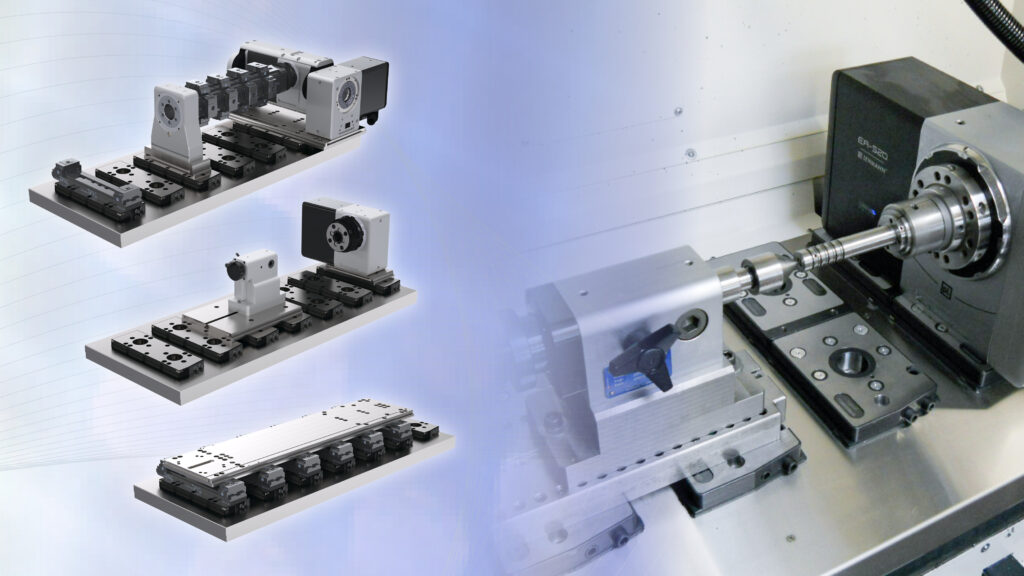
An analysis of the technological possibilities in the context of market requirements for 2025/2026 leads to clear recommendations for action for manufacturing companies: Modularity as investment protection: Rely on systems such as combiFlex, QUICKpLEX or VOLEX, which your...
Error avoidance in 5-axis machining: Tips for a successful transition
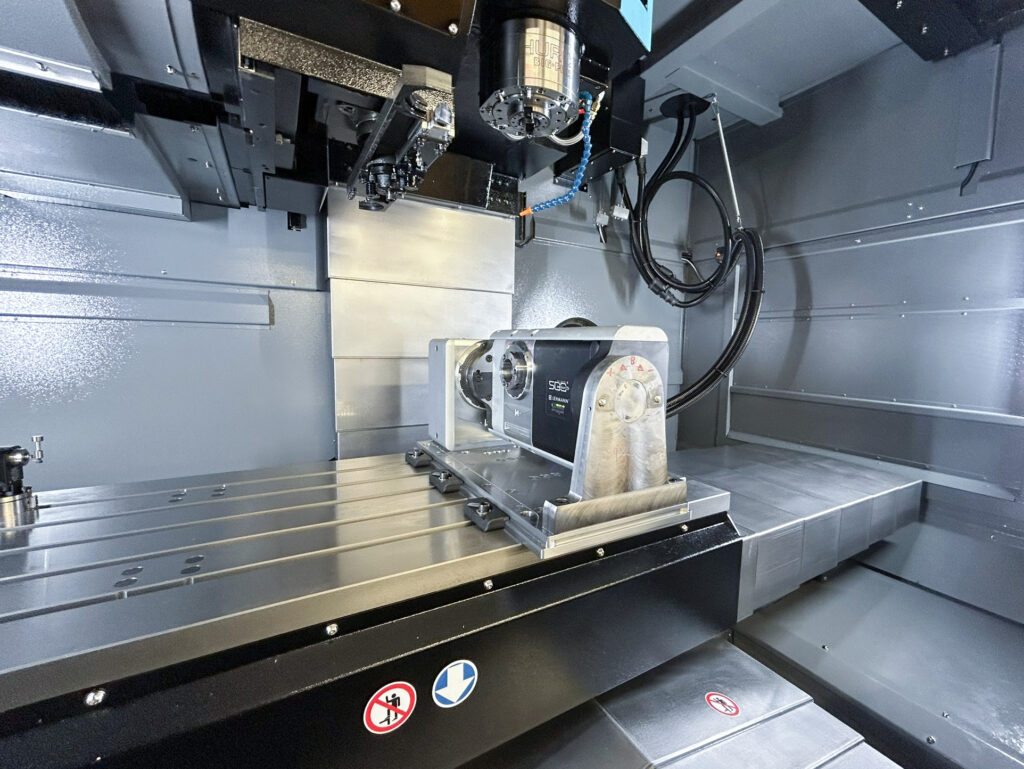
The transition from 3-axis to 5-axis machining is a big step for many businesses, often accompanied by concerns about collisions and programming errors. Experts therefore recommend a structured approach: Start with 3+2: Begin by...
WSS Praxis Case Study: How 5-Axis Complete Machining Saves Space
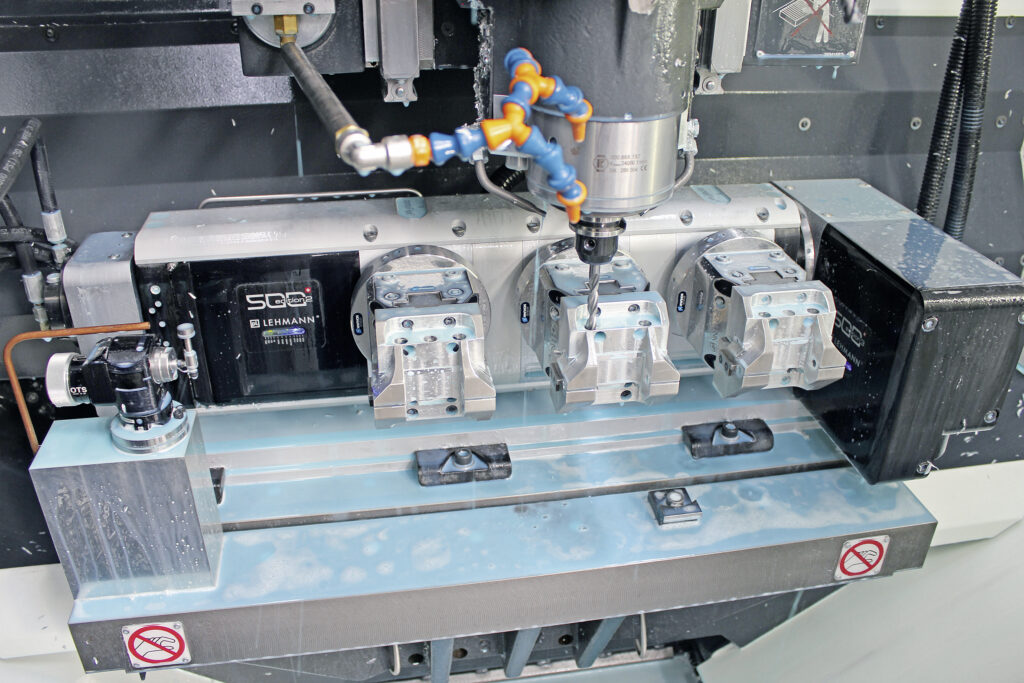
The company Wilh. Schlechtendahl & Söhne (WSS) faced the challenge of economically producing complex door fittings in a confined space. The decision was made for a DMG Mori Milltap 700 compact machining centre, which was equipped with a two-axis pL...
SEO Strategy for Mechanical Engineering Companies 2026: Visibility in AI Search
By 2026, it will no longer be enough for CNC contract manufacturers to be technically excellent; they will also need to be found digitally. The way buyers search for suppliers has changed due to AI-powered search (such as ChatGPT Search or Google AI...
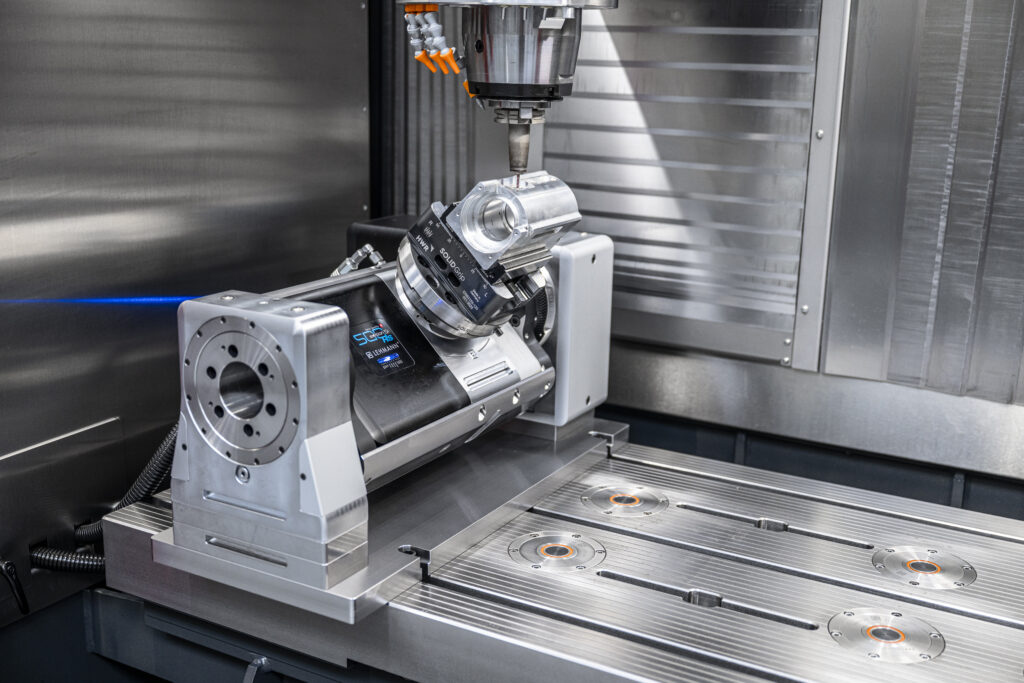
Extended service life through optimal tool alignment: The geometry of success
An often overlooked effect of 5-axis technology is the massive improvement in tool life. In classic 3-axis machining, the tool often has to be perpendicular to the workpiece, which, on angled surfaces, leads to the cutting edge being at points with...
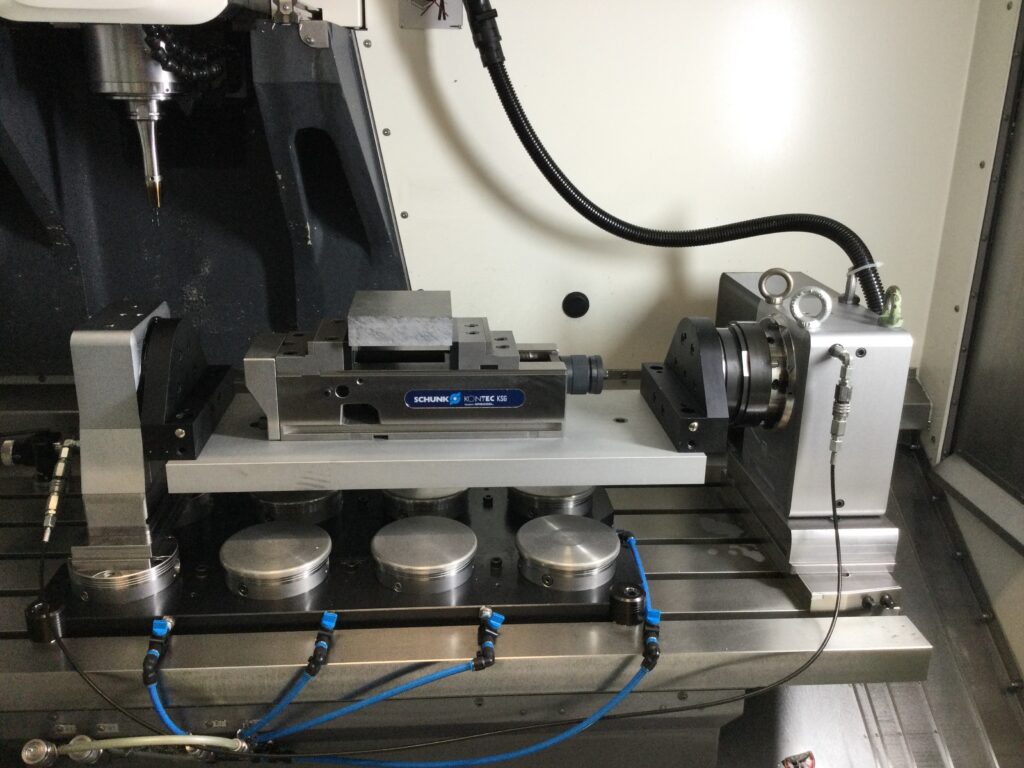
Set-up time optimisation as a strategic competitive advantage in 2026
In modern contract manufacturing, setup time is often the „hidden“ cost trap. Manual tool and workpiece measurement can incur costs of up to several hundred euros per machine per day. To minimise this loss of time, pL offers...
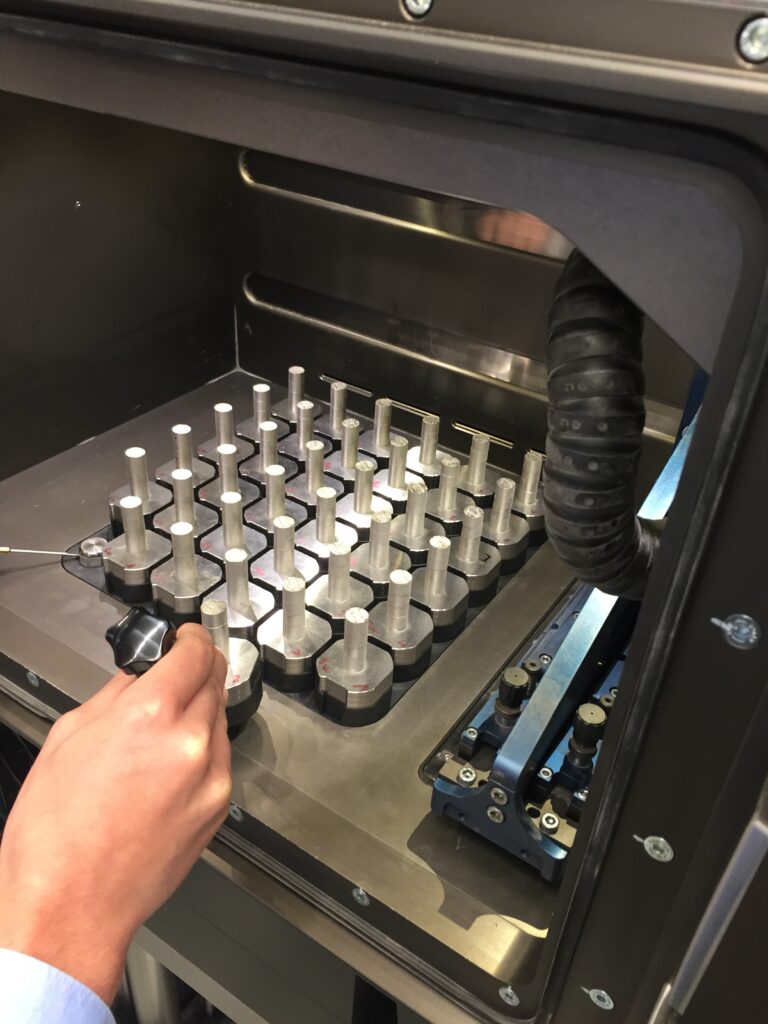
AM-LOCK: The Hybrid Manufacturing Revolution (3D Printing meets CNC)
Additive manufacturing (AM) has become established in the production of prototypes and small series (3D metal printing in powder beds), but often reaches its limits with regard to surface finish and dimensional accuracy of fits. The AM-LOCK system from pL...
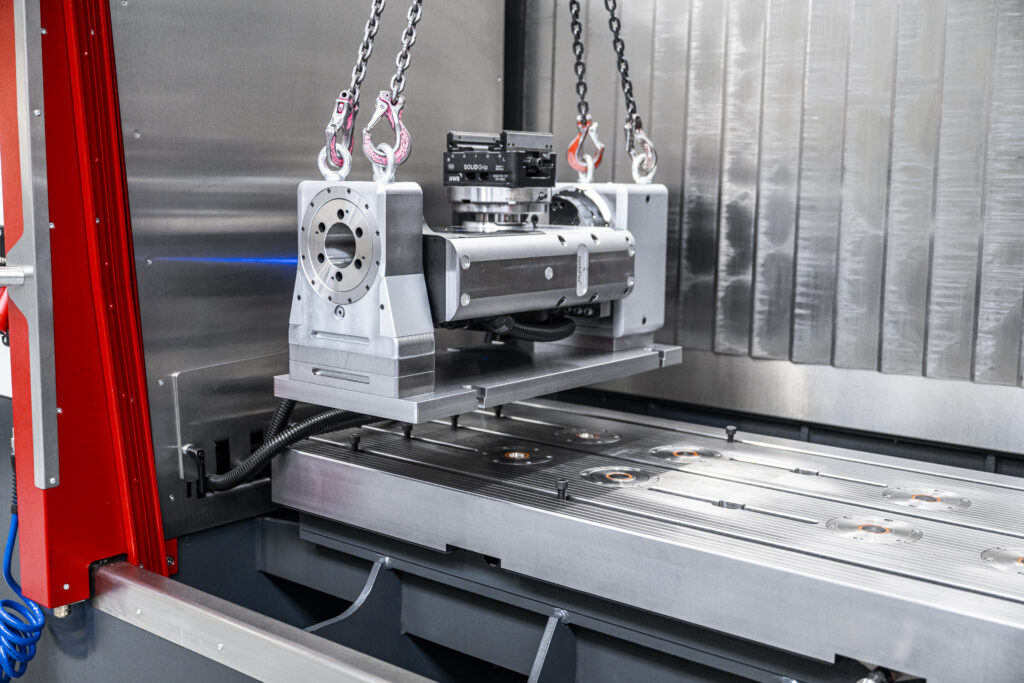
Maximum stability for demanding materials: Mastering titanium and stainless steel safely
The machining of difficult-to-cut materials such as titanium (grade 5), Inconel, or high-strength stainless steel is commonplace in the aerospace and power engineering sectors. These materials tend to vibrate under unstable clamping conditions, leading to chatter marks on the...
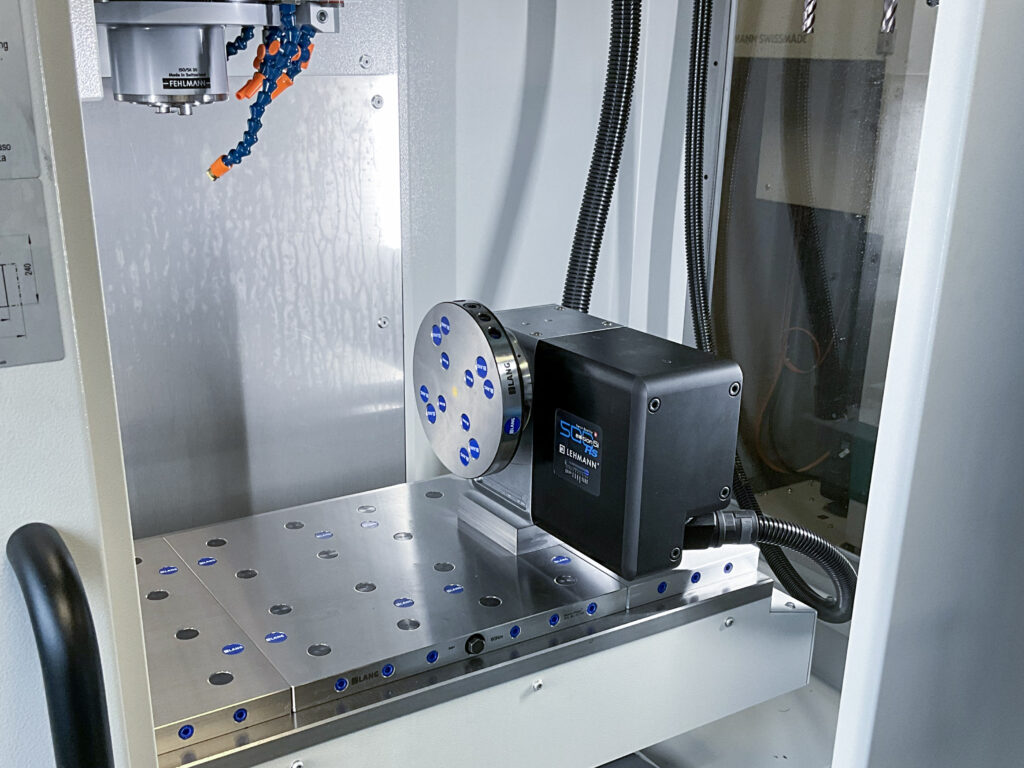
Sustainability in Machining: Energy Saving through PGD Gear Technology
Sustainability has evolved from a marketing buzzword into a hard economic factor. The energy efficiency of production not only influences operating costs but also how clients rate suppliers during supply chain audits...
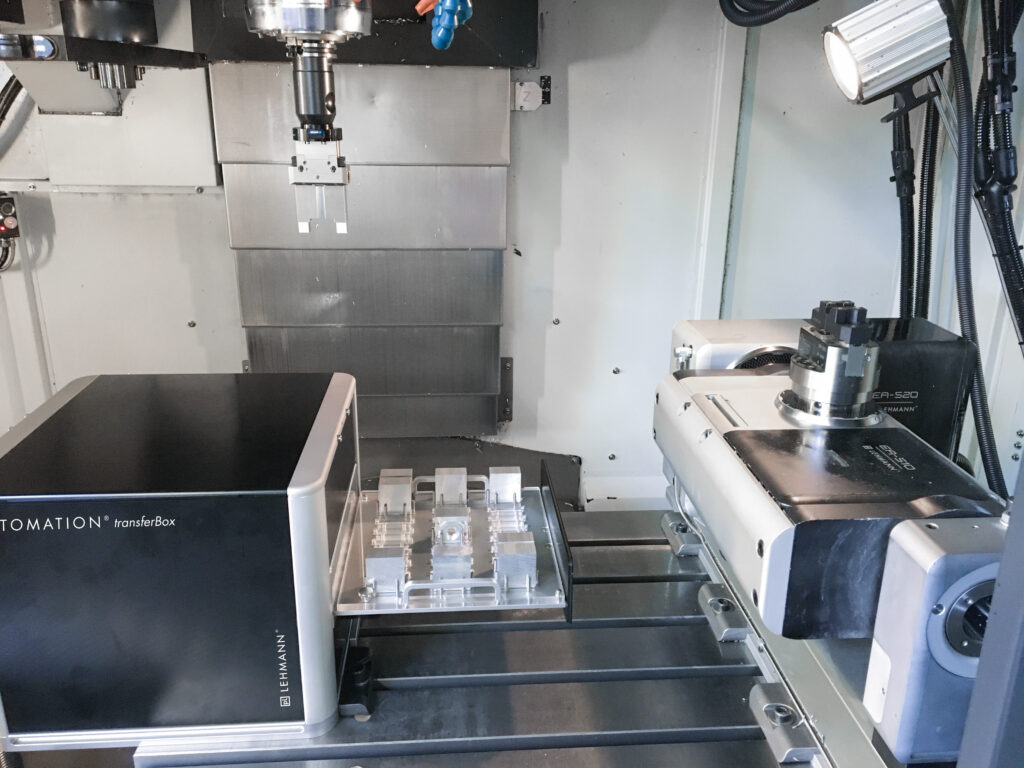
Automation as a response to the shortage of skilled workers: The role of the rotary table
The DIHK skills report 2025/2026 confirms that the shortage of qualified CNC operators represents one of the greatest threats to Germany as an industrial location. Automation is the only way out here to maintain stable throughput despite the staff shortage...
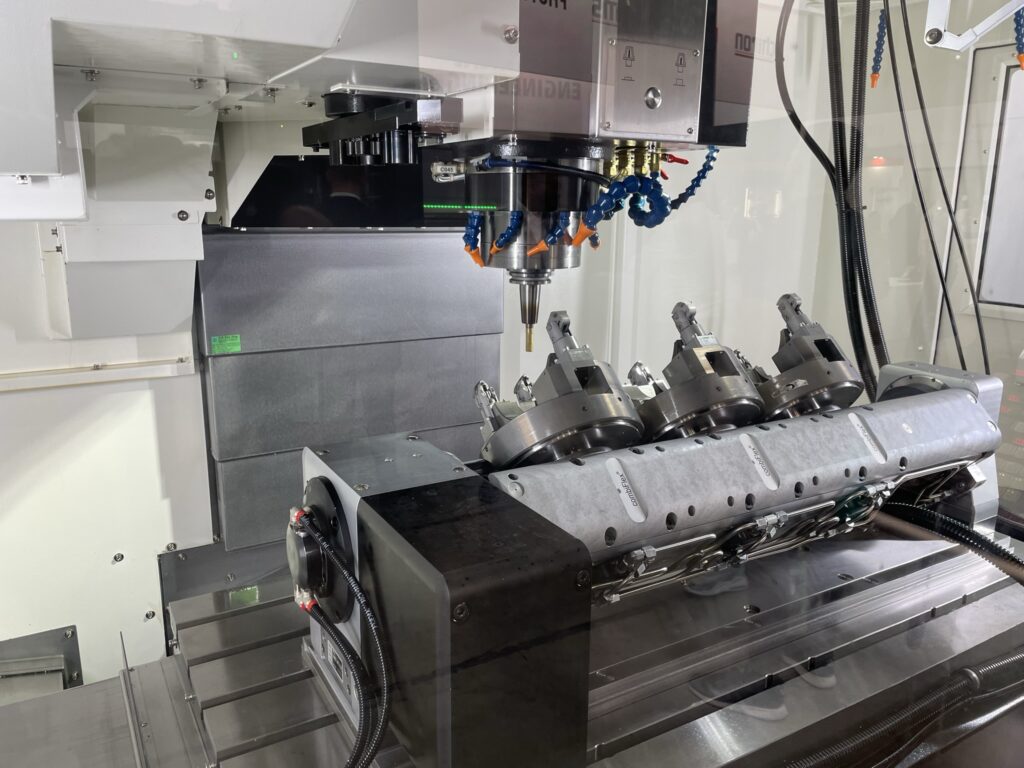
Efficiency leap with multi-spindle systems: Machine three workpieces in one setup using 5-axis machining
Maximising throughput per square metre of production space is one of the central key figures in modern factory planning. pL LEHMANN-CNC rotary tables in multi-spindle configuration, such as the T3-507510.LR fix, enable the simultaneous machining of up to three...
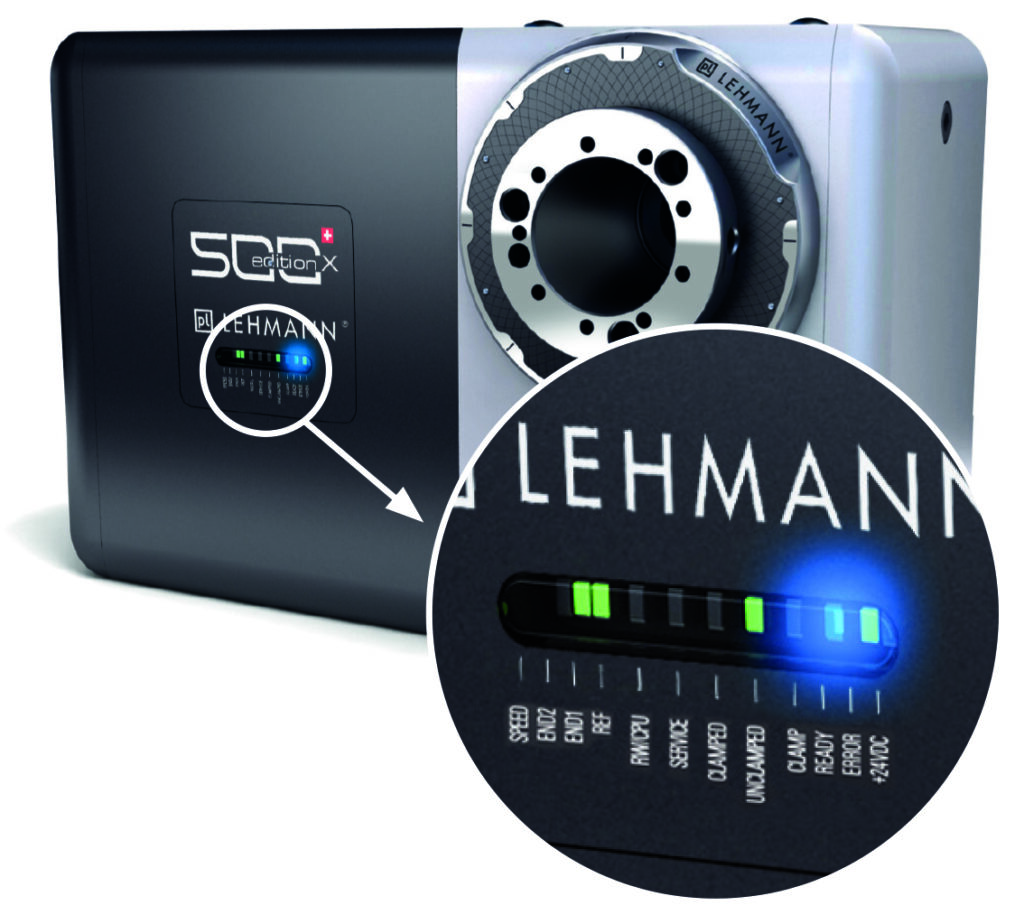
Automation in Practice: How the pL-smartBox is Revolutionising Condition Monitoring
The digitalisation of the factory floor will no longer be a vision in 2026, but a prerequisite for competitiveness. pL LEHMANN recognised this trend early on and integrated the pL-smartBox into its rotary tables. This module functions as...
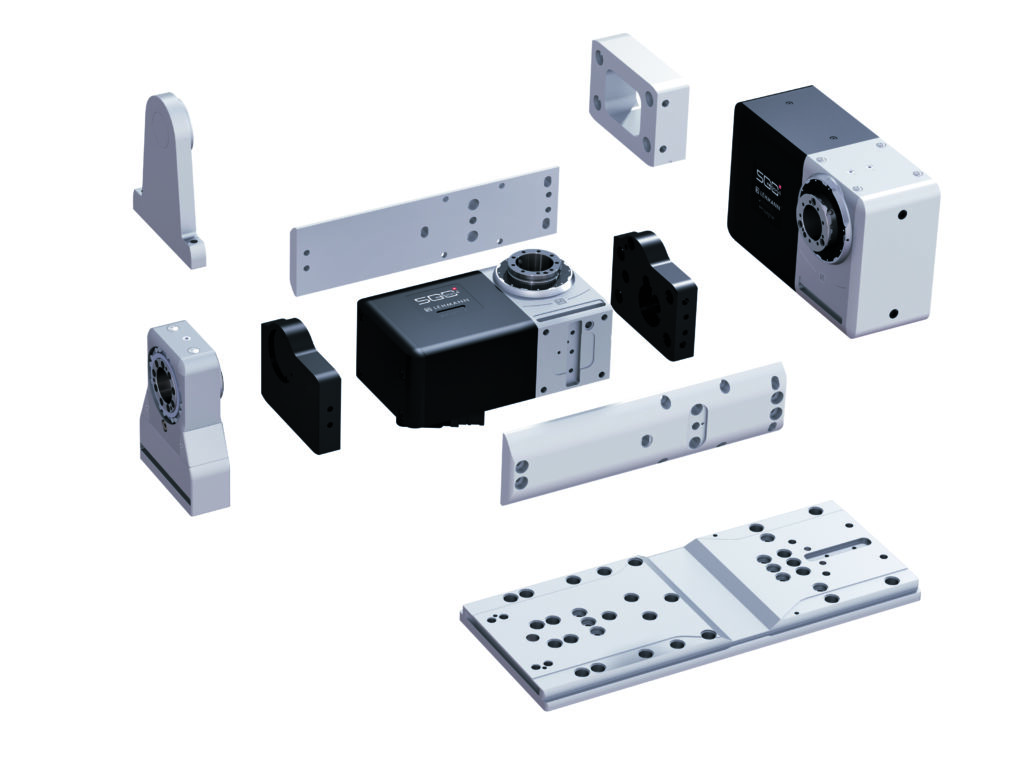
Modular scalability with QUICKPlex and combiFlex: investment protection for growing manufacturing operations
In a volatile market environment, investing in rigid machinery systems carries high risks. pL LEHMANN's combiFlex modular system addresses this problem through consistent modularity. The system is based on four basic construction sizes (507,...
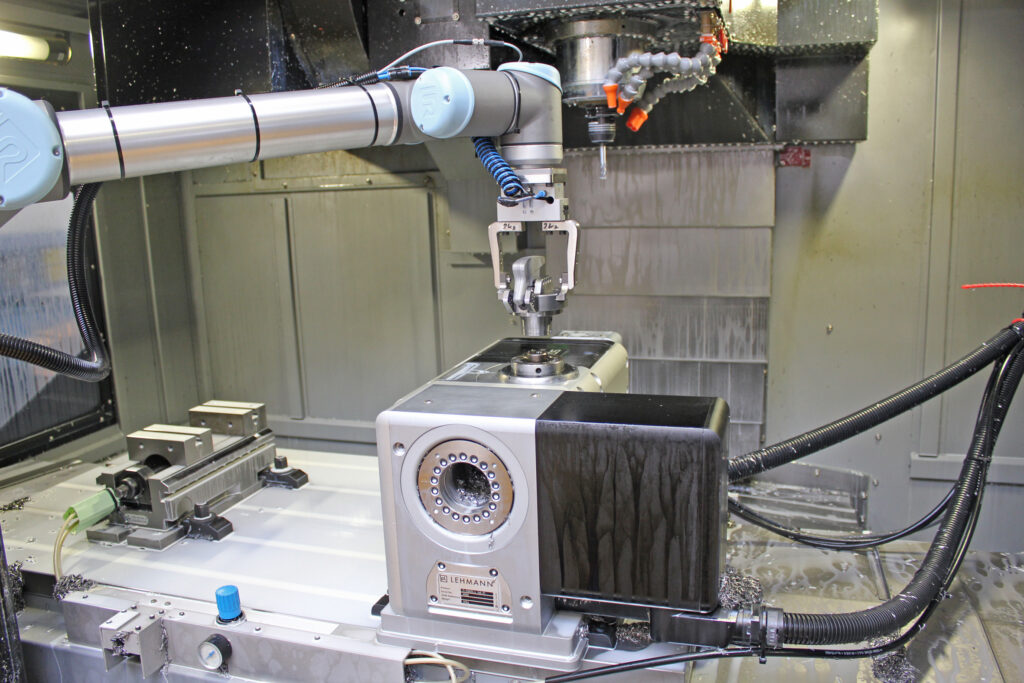
Maximum precision through the ripas interface: HSK technology in rotary table use
The requirements for precision in high-performance machining in 2025 have reached a level that pushes conventional clamping systems to their limits. The integration of the HSK (hollow taper shank) interface into CNC rotary tables, as pL LEHMANN demonstrates with the...
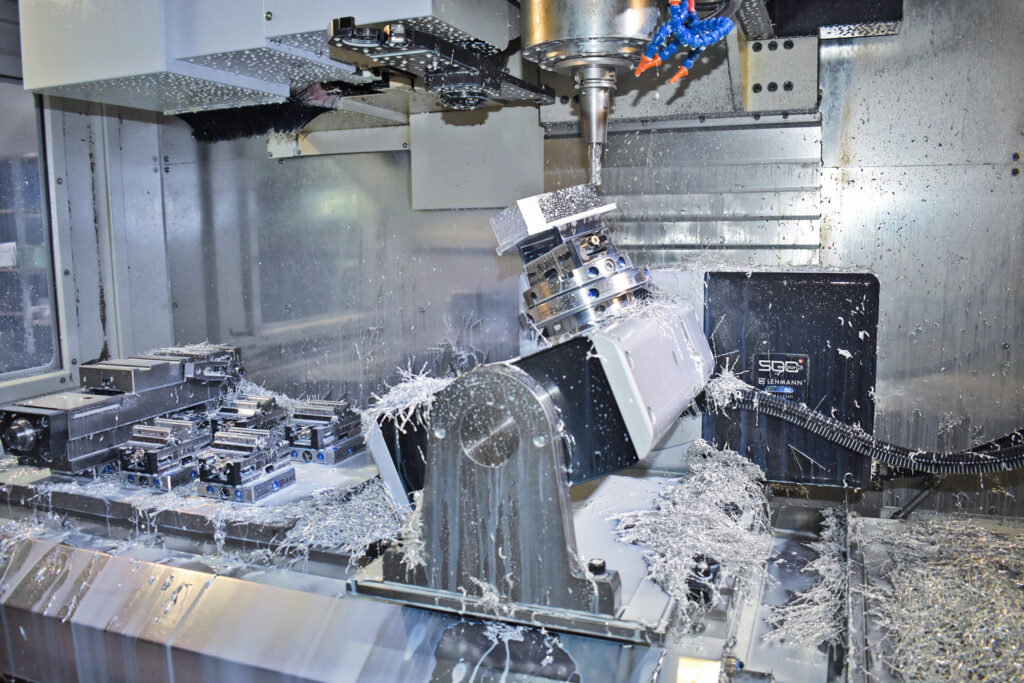
Strategic Economic Viability: Why 3+2 Machining Centres are the Backbone of Modern Contract Manufacturing
In the world of CNC machining, there is often a misconception that „true“ simultaneous 5-axis machining is absolutely essential for all complex tasks. Market analyses show, however, that around 90 % of all 5-axis applications in practice...
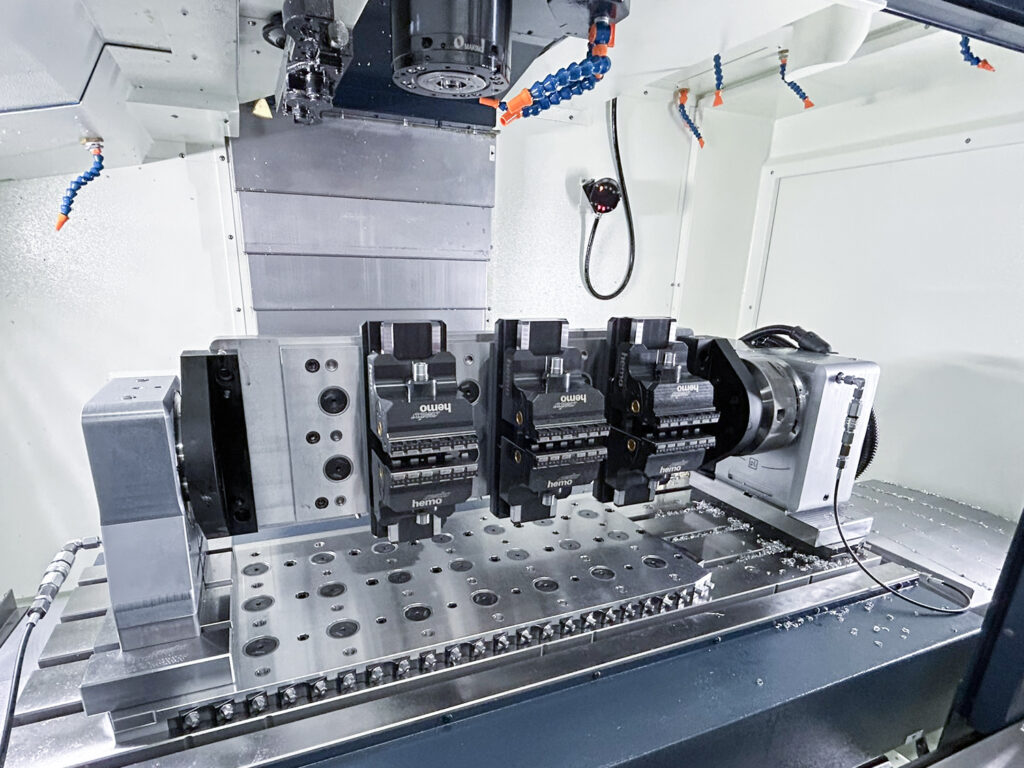
Strategic Optimisation of CNC Machining: A Comprehensive Guide to Increasing Manufacturing Efficiency Through Modular Rotary Table Technology and Digital Transformation 2025-2026
The global manufacturing landscape is undergoing a profound transformation in the period 2025-2026, characterised by a massive shortage of skilled labour, soaring energy costs and the imperative for the complete digitalisation of value chains….
 German
  Polish
  Spanish
  English